
KUALA LUMPUR – The government must ensure the latest reduction in fuel prices translates into tangible savings for Malaysians, particularly through lower prices of essential goods and services, says the Malaysian Consultative Council of Islamic Organisations (MAPIM).
Its president, Mohd Azmi Abdul Hamid, said the reduction was welcome amid persistent cost-of-living pressures faced by households and businesses.
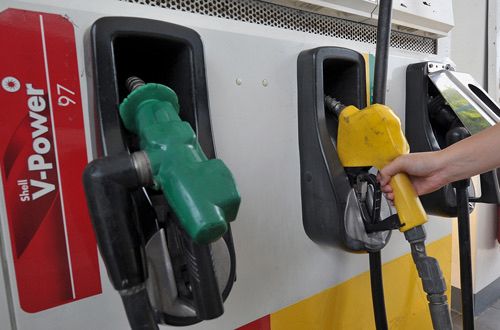
He said the latest adjustment, involving a 50 sen per litre reduction for RON97, 40 sen for unsubsidised RON95 and 25 sen for unsubsidised diesel, reflected lower regional refined petroleum and global crude oil prices.
However, he stressed that the benefits must extend beyond fuel purchases to transportation, food distribution, agricultural production, logistics and other essential sectors.
“When fuel prices increase, consumers often experience immediate increases in transportation and food prices. Yet when fuel prices decline, the corresponding reductions are frequently slow, limited or absent,” he said in a statement today.
Azmi said the government should strengthen price monitoring and enforcement to ensure businesses pass on reasonable savings from lower fuel costs to consumers.
He also called for a comprehensive review of targeted subsidies under the Budi Madani initiative, including Budi95 and Budi Diesel, to ensure vulnerable groups were not left behind.
These include B40 households, rural communities, small traders, farmers, fishermen, transport operators and micro-enterprises.
He said subsidy mechanisms must be fair, transparent and accessible, while taking into account the actual economic circumstances of eligible recipients.
On the projected RM40 billion fuel subsidy allocation for 2027, Azmi said the substantial public expenditure must be accompanied by transparent reporting on its effectiveness and benefits to the people.
He said the government should regularly disclose the distribution of subsidies by income group and economic sector, the number of recipients receiving assistance, their impact on household spending and measures to prevent leakages, smuggling and abuse.
Meanwhile, he said the ongoing conflict involving Iran and security risks surrounding the Strait of Hormuz highlighted Malaysia’s vulnerability to geopolitical tensions and disruptions in global energy supply.
He said Malaysia needed to diversify its energy sources, strengthen domestic energy security and accelerate investment in renewable energy to reduce dependence on unpredictable international petroleum markets.
“MAPIM stresses that fuel subsidies and pricing policies must be evaluated from the perspective of social justice.
“The fundamental question is not simply whether petroleum prices have gone up or down. The more important question is whether Malaysian families can afford food, transportation, housing, education and other basic necessities,” he said.
Azmi urged the government to strengthen enforcement against unjustified price increases, review subsidy eligibility and introduce better protection for small businesses, farmers, fishermen and public transport operators.
He said a long-term national energy security strategy was also necessary to protect the country from external disruptions.
“The true measure of economic success is whether ordinary people can live with dignity, security and confidence in their future,” he said. – DETIK MALAYSIA
Kredit foto – Gambar hiasan
About the Author