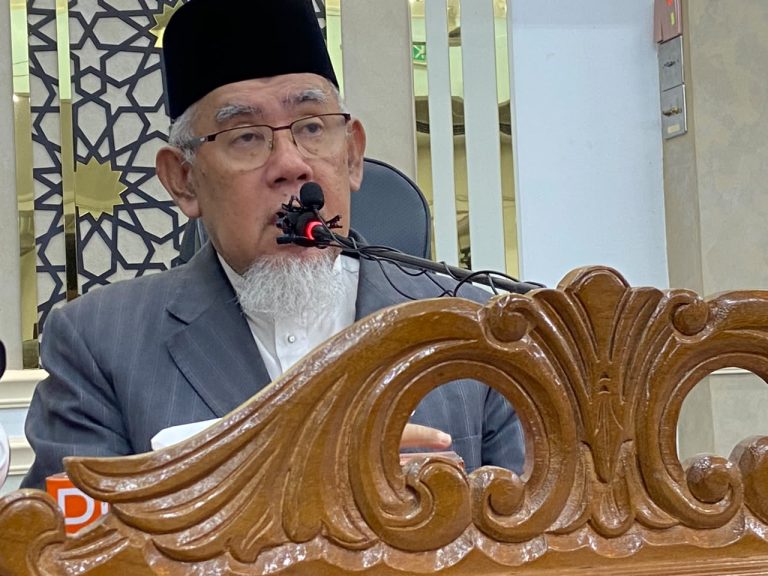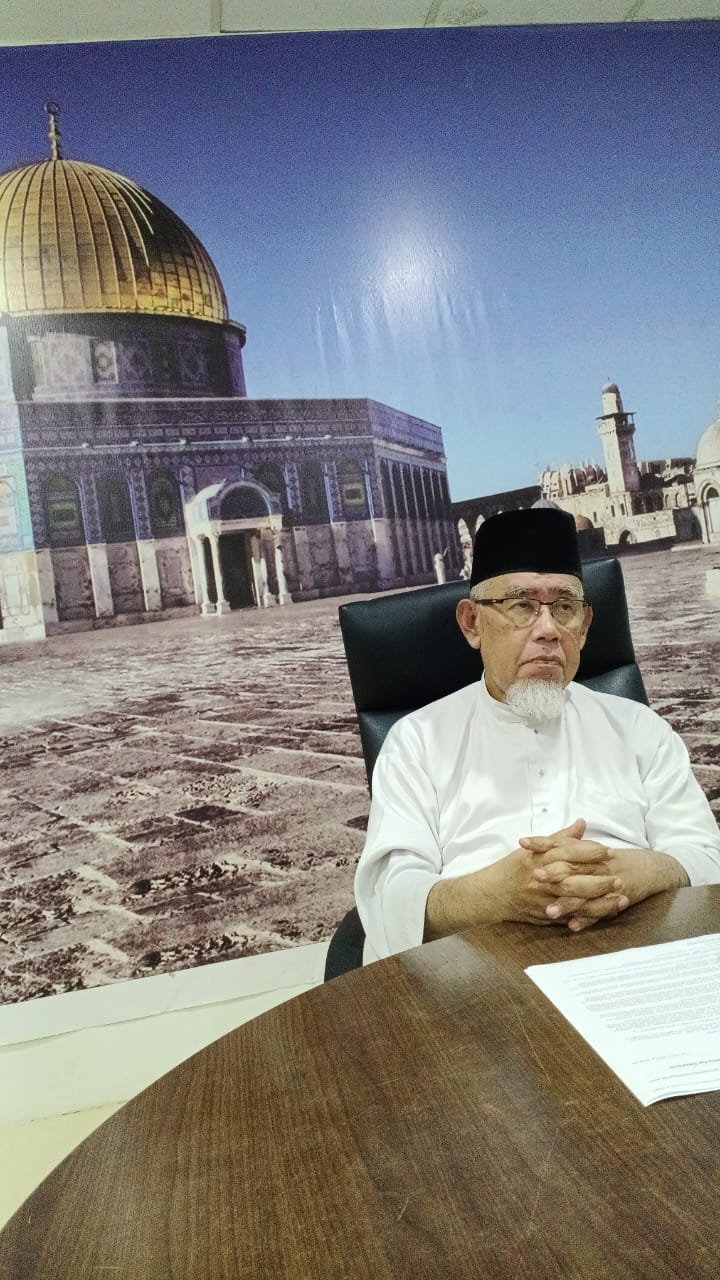
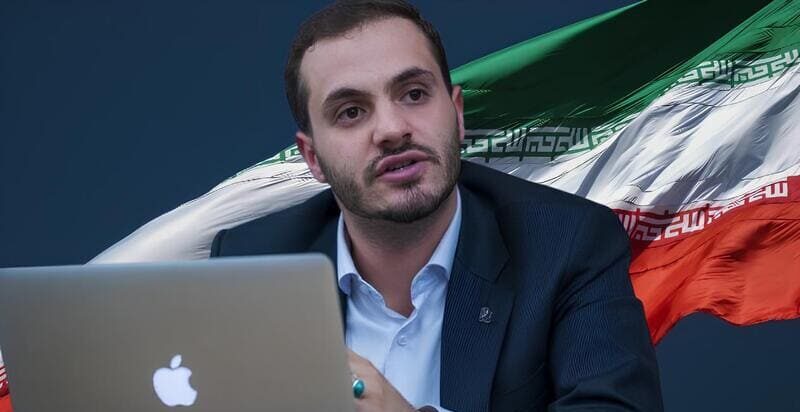
SHAH ALAM – Strategies relying on economic sanctions, military threats and attacks on infrastructure are unlikely to weaken Iran. Instead, they reinforce the country’s determination to defend its dignity and sovereignty, according to an Iranian political analyst.
Sayed Mohammad Ali Sayedhanaee, President of the Nations Diplomacy Think Tank, said many outside observers believe fear, exhaustion and economic hardship will eventually force Iranians to accept compromise at any cost.
However, he argued that such assumptions overlook a fundamental aspect of Iranian political psychology.
“For many Iranians, the issue is not simply war versus peace, or poverty versus prosperity. At its core, it is about dignity versus humiliation,” he said.
According to Sayedhanaee, although Iranian society is politically diverse and many citizens openly criticise their own government, they tend to unite when external pressure is perceived as an attack on the nation’s dignity.
He explained that in Iran’s political culture, dignity represents self-respect, honour and sovereign independence, while humiliation is associated with subordination and the denial of national autonomy.
Sayedhanaee said the narrative of Karbala, particularly Imam Hussein’s refusal to submit to injustice, remains one of the strongest moral foundations of Iranian political thought.
“The phrase Hayhat minna al-dhilla (‘Far from us is humiliation’) is not merely a historical slogan. It represents a moral boundary where any settlement viewed as degrading becomes unacceptable, even at significant cost,” he said.
He added that, within Shia tradition, martyrdom is not the glorification of death but the willingness to sacrifice in defence of justice and dignity.
According to him, this principle also shapes Iran’s approach to nuclear negotiations, military responses and foreign policy, where compromise is considered acceptable only if it is presented as a voluntary and dignified decision rather than the result of coercion.
Sayedhanaee said modern Iranian history—including the Constitutional Revolution, the nationalisation of the oil industry under Mohammad Mosaddegh and the Iran-Iraq War—has reinforced this outlook, with those who died resisting foreign pressure remembered as symbols of national dignity.
He also cited the legend of Arash the Archer and the story of Ariobarzanes, who resisted Alexander the Great at the Persian Gate, as enduring examples of sacrifice in defence of the homeland.
According to him, attacks on infrastructure or rhetoric such as threatening to “return Iran to the Stone Age” are viewed not merely as strategic pressure but as direct assaults on the country’s dignity.
“Such actions often ignite nationalist sentiment and temporarily reduce internal political divisions, as many Iranians rally to defend what they see as their nation’s honour,” he said.
Sayedhanaee stressed that policies based on maximum pressure and repeated ultimatums often strengthen the very narratives that justify resistance.
Instead, he argued, any lasting diplomatic solution must be built on mutual respect and allow all parties to preserve their dignity.
“The more pressure is perceived as humiliation, the stronger the resistance becomes,” he said. – DETIK MALAYSIA
About the Author