KUALA LUMPUR – US President Donald Trump’s threat to destroy Iran’s energy infrastructure, bridges and manufacturing facilities within three days could trigger further regional escalation and worsen the global economic crisis.
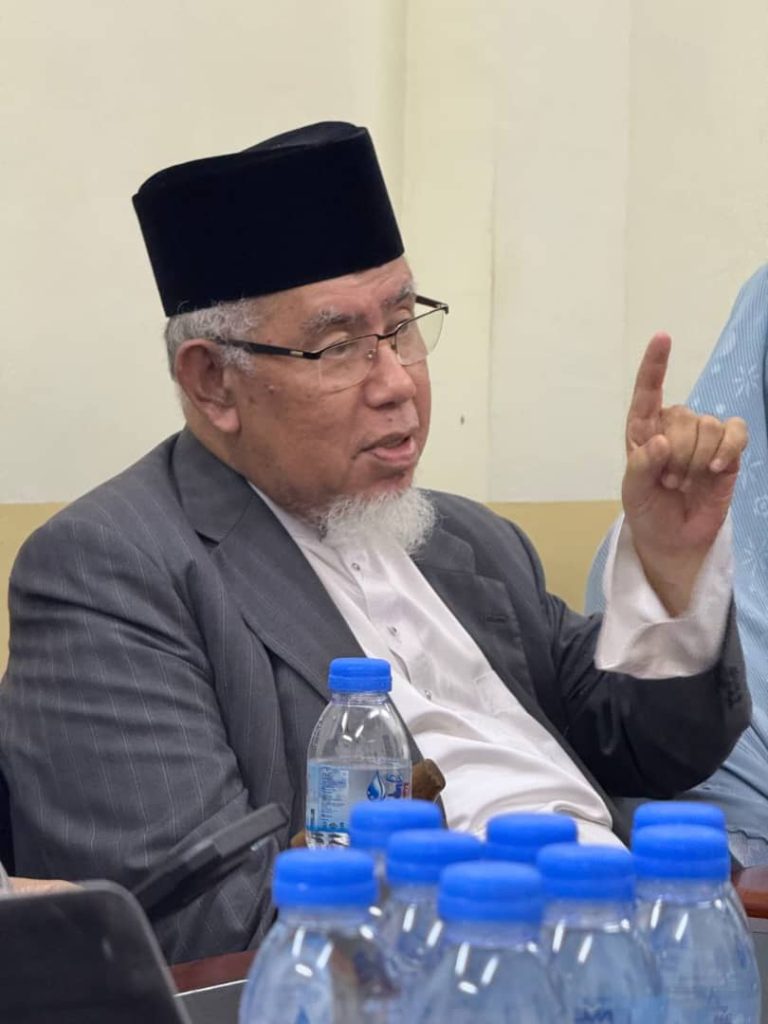
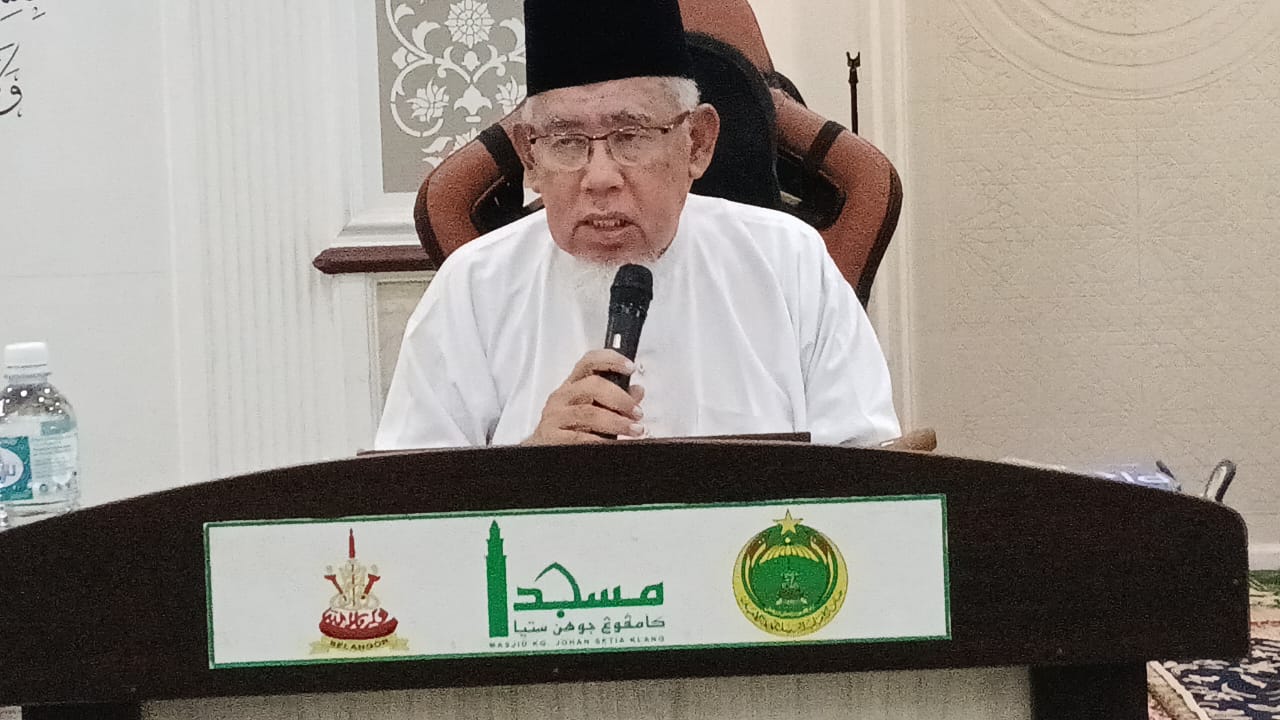
Malaysian Consultative Council of Islamic Organizations (MAPIM) president Mohd Azmi Abdul Hamid said the threat also raised concerns over the economic impact on ordinary Americans already struggling with rising living costs.
He said Trump, during an interview with Stephen A. Smith at the White House, claimed that the United States could eliminate Iran’s energy infrastructure in one day, destroy its bridges the following day and wipe out its manufacturing capabilities within three days.
He added that Trump had also acknowledged that Saudi Arabia, Qatar, Kuwait, the United Arab Emirates (UAE) and Bahrain had urged him to refrain from launching further large-scale attacks against Iran.
“This reflects a deeply troubling contradiction when regional countries are seeking to prevent further escalation, while the US President continues to publicly emphasise his country’s ability and readiness to inflict massive destruction.
“Military power must never become a substitute for diplomacy or be presented as evidence of political and strategic success,” he said in a statement today.
Mohd Azmi said rising fuel prices resulting from the conflict had also affected the US economy, with households facing higher fuel and transportation expenses.
He said businesses were also struggling with increased operating costs, supply chain disruptions and economic uncertainty.
“The question is, why should ordinary Americans continue bearing the financial consequences of a military confrontation whose costs are becoming increasingly difficult to justify to the public?” he said.
Meanwhile, Mohd Azmi said threats to destroy Iran’s energy facilities, bridges and industrial infrastructure had raised serious concerns over compliance with international humanitarian law.
He said these facilities were essential to civilian life, as their destruction could disrupt electricity and water supplies, hospital operations, food production, transportation and communications.
He said international humanitarian law required parties to a conflict to distinguish between civilian objects and legitimate military targets, while observing the principles of proportionality and precaution in military operations.
“The people of Iran must not be collectively punished through US threats. Civilians must never become instruments of military coercion,” he said.
On the global economic impact, Mohd Azmi said further escalation in the Gulf region, particularly involving the Strait of Hormuz, could disrupt oil and gas shipments and increase insurance and maritime transportation costs.
He said the situation could destabilise commodity markets and intensify inflationary pressures, particularly in developing countries already facing debt burdens, food security challenges and rising import costs.
MAPIM urged Washington to take seriously the concerns of Gulf countries reportedly calling for restraint and opposing further large-scale attacks against Iran.
He said regional security could not be achieved through threats, bombardment and retaliatory actions, but required diplomatic engagement and a security framework that took into account the legitimate concerns of all parties.
In the statement, MAPIM outlined seven demands to the US government, including an immediate end to threats of destroying Iran’s civilian infrastructure, suspending military actions that could escalate the conflict and prioritising diplomatic negotiations.
The organisation also called for all military operations to comply with international humanitarian law, the establishment of a regional de-escalation mechanism and measures to ensure the Strait of Hormuz and other international maritime routes were not used as instruments of economic pressure.
Additionally, MAPIM urged the US to provide full transparency regarding the financial costs of the war to American taxpayers and support an internationally facilitated peace process.
“Americans deserve an economy that protects their families’ welfare, not a prolonged military confrontation that adds to their financial burdens.
“The Iranian people also deserve security, dignity and protection from the devastating consequences of war,” he said.
He stressed that national leadership should be measured by its ability to protect human lives, prevent suffering and contribute to international stability, rather than by its capacity to destroy another country’s infrastructure. – DETIK MALAYSIA
About the Author