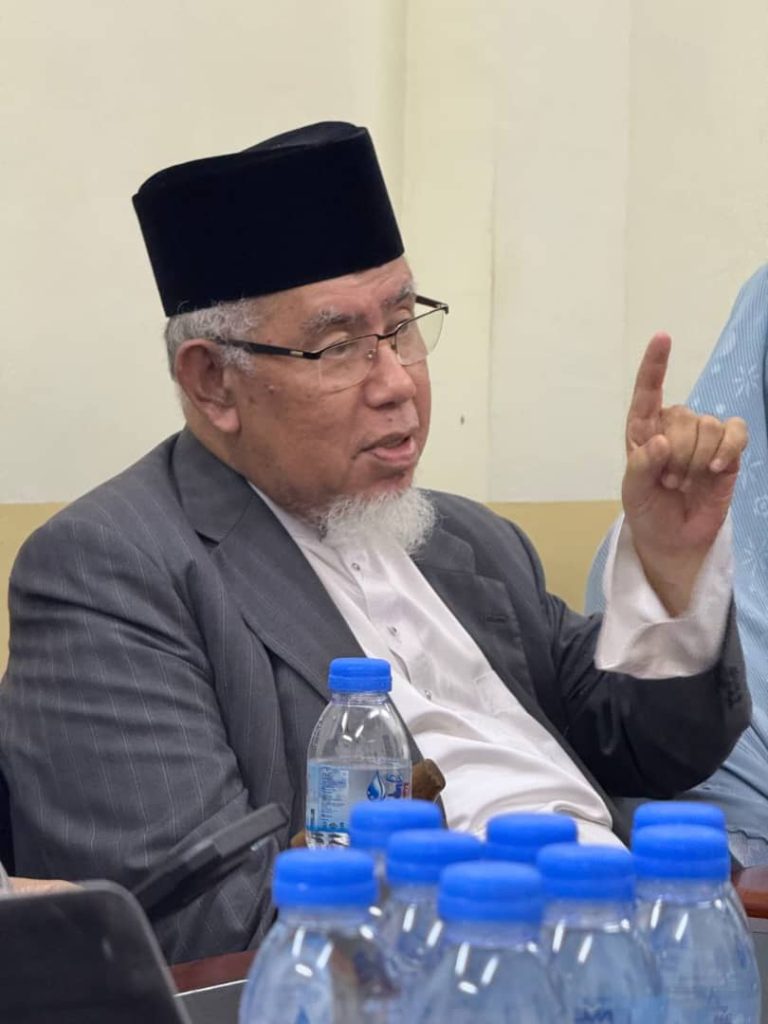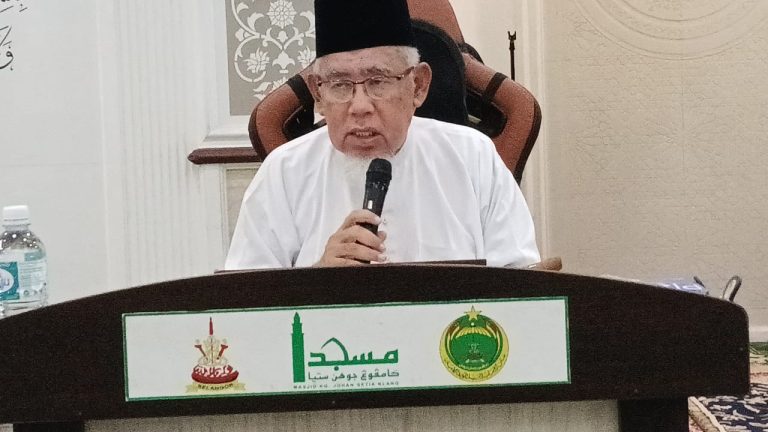

KUALA LUMPUR – The United Nations (UN) must take immediate preventive diplomatic action to avert a possible new military offensive by the United States (US) against Iran, says the Malaysian Consultative Council of Islamic Organizations (MAPIM).
Its president, Mohd Azmi Abdul Hamid, said the international community must not wait for another military catastrophe before taking steps to prevent a wider conflict in the Middle East.
He said MAPIM was deeply concerned over the possibility that US President Donald Trump could authorise another major military operation against Iran following escalating hostilities and the failure of diplomatic negotiations to secure a lasting settlement.
According to Azmi, Trump had indicated that he was considering several options, including renewed military strikes, continued economic pressure or a negotiated settlement.
He said reports on November 5 also indicated that Washington was weighing further military action, following confirmed US strikes against Iranian air defence installations on Qeshm Island.
“Any decision to expand military operations could trigger a dangerous chain reaction across the Middle East, with consequences extending far beyond Iran and the immediate region,” he said in a statement.
Azmi stressed that the UN Secretary-General and Security Council must initiate immediate diplomatic intervention rather than adopt a reactive approach after military attacks had taken place.
He said the UN had a responsibility to maintain international peace and security through preventive diplomacy and decisive action, regardless of the identity or military strength of the countries involved.
In this regard, MAPIM proposed six immediate measures, including convening an emergency UN Security Council meeting to address the threat of renewed US military operations against Iran.
It also called on the UN Secretary-General to activate his diplomatic channels and engage directly with Washington, Tehran and relevant regional governments to prevent further escalation.
Azmi said all parties must exercise maximum restraint and refrain from offensive military actions that could widen the conflict, while prioritising a negotiated ceasefire and a verifiable de-escalation framework.
He also proposed establishing an international monitoring mechanism involving the UN and International Atomic Energy Agency (IAEA) to strengthen independent monitoring and verification of nuclear facilities, military escalation and risks to civilian populations.
Meanwhile, MAPIM stressed that hospitals, schools, energy installations, water facilities and other essential civilian infrastructure must be protected from military attacks.
The organisation also urged the UN to engage Gulf states, neighbouring countries and major international powers to prevent the conflict from spreading and threatening maritime security, global energy supplies and economic stability.
Azmi said the credibility of the international legal order was increasingly being undermined by selective enforcement and the normalisation of military force as an instrument of international policy.
“No country, including the United States, should be above international law. Equally, Iran’s sovereignty, territorial integrity and the rights of its civilian population must be respected,” he said.
He added that the UN Charter prohibited the threat or use of force against the territorial integrity or political independence of any state, subject to recognised exceptions under international law.
On the diplomatic front, MAPIM urged Washington to abandon any consideration of another major military campaign and pursue a credible negotiated settlement.
Azmi warned that renewed military action could result in further civilian casualties, retaliatory attacks, disruption to international trade and a wider regional confrontation.
“The UN must intervene before the next missile is launched, not after the next city is destroyed.
“The time for preventive diplomacy is now,” he said.
MAPIM also called on Malaysia, the Organisation of Islamic Cooperation (OIC), ASEAN and other peace-oriented nations to collectively demand immediate UN intervention and a firm commitment to preventing another major war.
The organisation reiterated its call to stop further military escalation, uphold international law and protect human lives. – DETIK MALAYSIA
About the Author