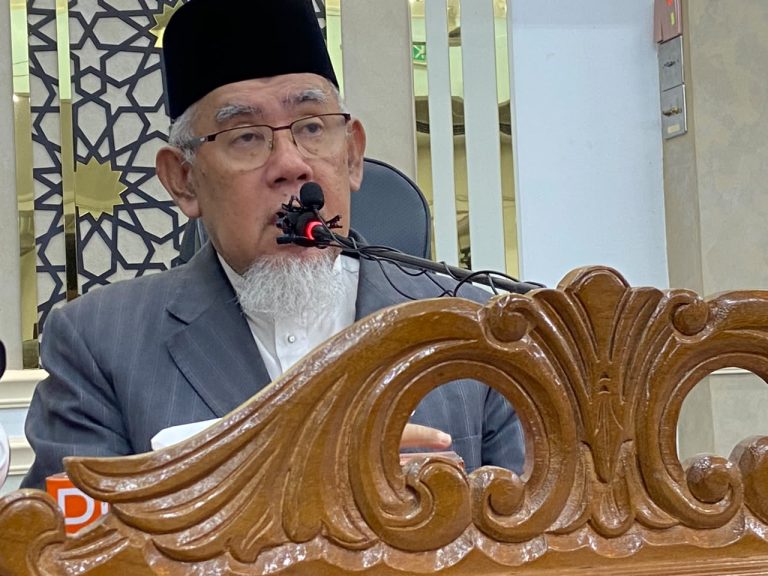
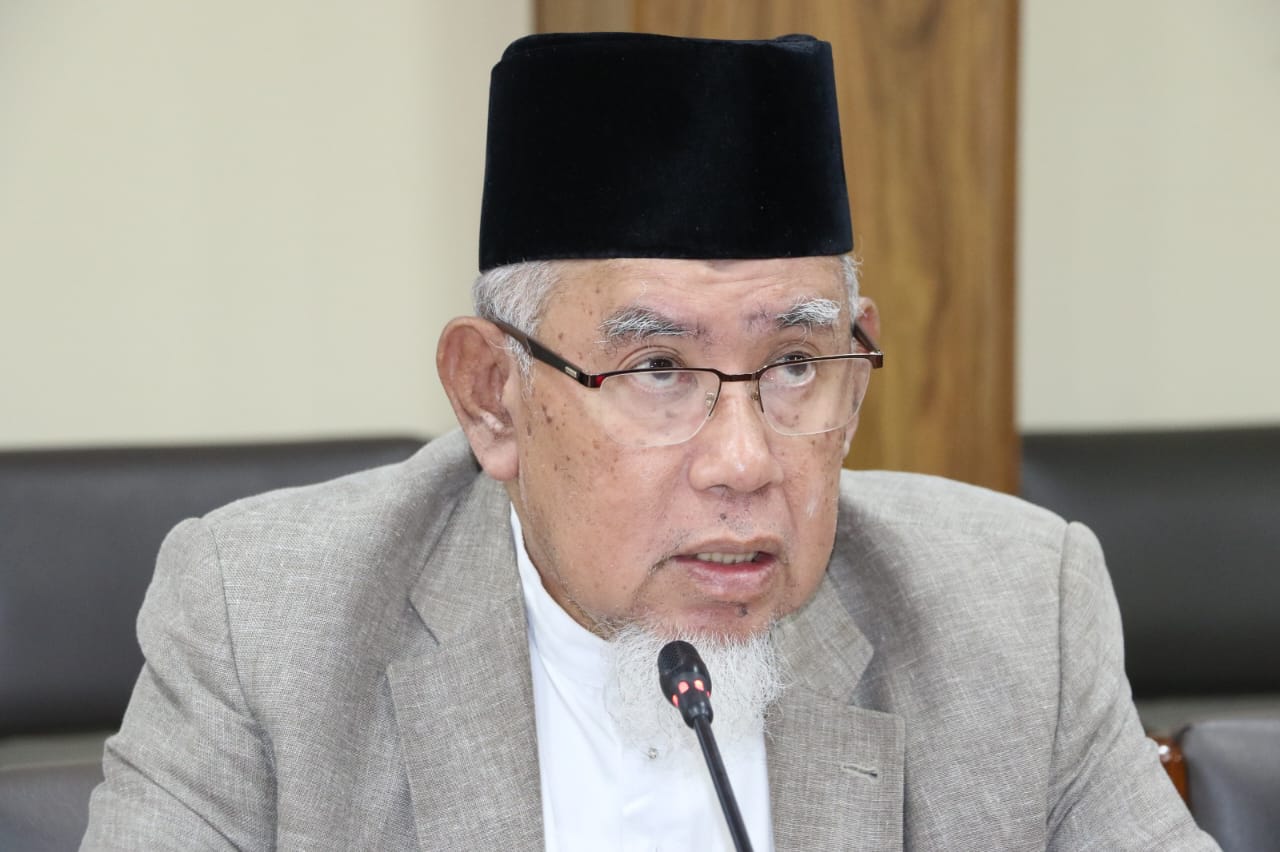
SHAH ALAM – Muslim communities across Southeast Asia should begin viewing themselves as part of a shared regional community rather than being defined solely by national borders, according to a proposal for a new ASEAN Ummah framework.
The proposal, put forward by MAPIM president Mohd Azmi Abdul Hamid, seeks to cultivate a stronger sense of regional Muslim consciousness without replacing national identities, challenging state sovereignty or creating a new political bloc.
Instead, the ASEAN Ummah is envisioned as a civilisational, intellectual, humanitarian and strategic community united by a shared faith, common history and collective responsibility.
Mohd Azmi said Muslim societies in Malaysia, Indonesia, Brunei, southern Thailand, the southern Philippines, Cambodia, Vietnam, Singapore and Myanmar have long been connected through trade, scholarship, culture, education and Islamic civilisation.
“The ASEAN Ummah should be understood as a civilisational, intellectual, humanitarian and strategic community. It is united not by political uniformity or ethnic sameness, but by shared faith, historical experience and commitment to the common good,” he said in his lecture series titled Towards a New Framework of Regional Muslim Consciousness.
He said the framework has become increasingly relevant as Southeast Asia faces geopolitical competition, economic inequality, technological transformation, climate change, forced migration and weakening traditional institutions.
According to him, regional challenges such as the Rohingya refugee crisis, conflicts in Southern Thailand and Mindanao, climate-related disasters, digital misinformation and economic vulnerability require coordinated regional responses instead of isolated national approaches.
Mohd Azmi also highlighted what he described as a growing knowledge gap among Muslims in the region, noting that many are more familiar with developments in the Middle East than with the circumstances faced by neighbouring Muslim communities such as the Cham, Patani, Bangsamoro and Rohingya.
To address the issue, he proposed the establishment of an independent regional research institution to collect data, conduct studies, publish annual reports and formulate strategic policy recommendations concerning Muslim communities across ASEAN.
He added that the region’s vast Muslim population also presents significant economic opportunities, calling for stronger cooperation in halal industries, Islamic finance, education, technology, healthcare, tourism and entrepreneurship.
The proposal further emphasises the importance of strengthening education, youth leadership, women’s participation, artificial intelligence development and expanding the role of mosques as centres for education, community development and humanitarian services.
Mohd Azmi said the proposed ASEAN Ummah Institute for Research and Strategic Studies could serve as the intellectual foundation for regional cooperation by connecting governments, universities, mosques, businesses and civil society organisations.
He stressed that the ASEAN Ummah should evolve beyond a slogan into a practical project driven by research, institutional development and regional cooperation that contributes to peace, justice and shared prosperity across Southeast Asia. – DETIK MALAYSIA
About the Author