SHAH ALAM – The Malaysian Consultative Council of Islamic Organisations (MAPIM) has urged the Organisation of Islamic Cooperation (OIC) to take immediate diplomatic, humanitarian and human rights action following reports of large-scale evictions of Muslim families and the demolition of mosques in Assam, India.
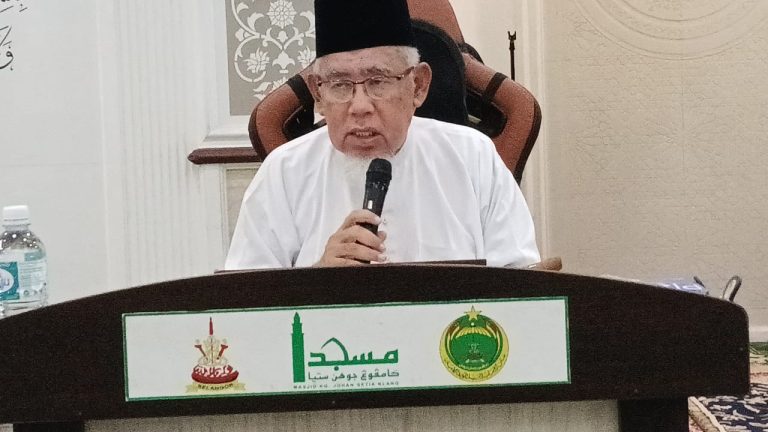
MAPIM president Mohd Azmi Abdul Hamid said the OIC must move beyond expressions of concern and take concrete steps to protect vulnerable Muslim communities affected by the reported operations.
In a statement dated October 20, MAPIM said reports published on October 18 and 19 indicated that more than 1,100 families were affected by eviction operations in Assam’s Nagaon, Hojai and Golaghat districts.
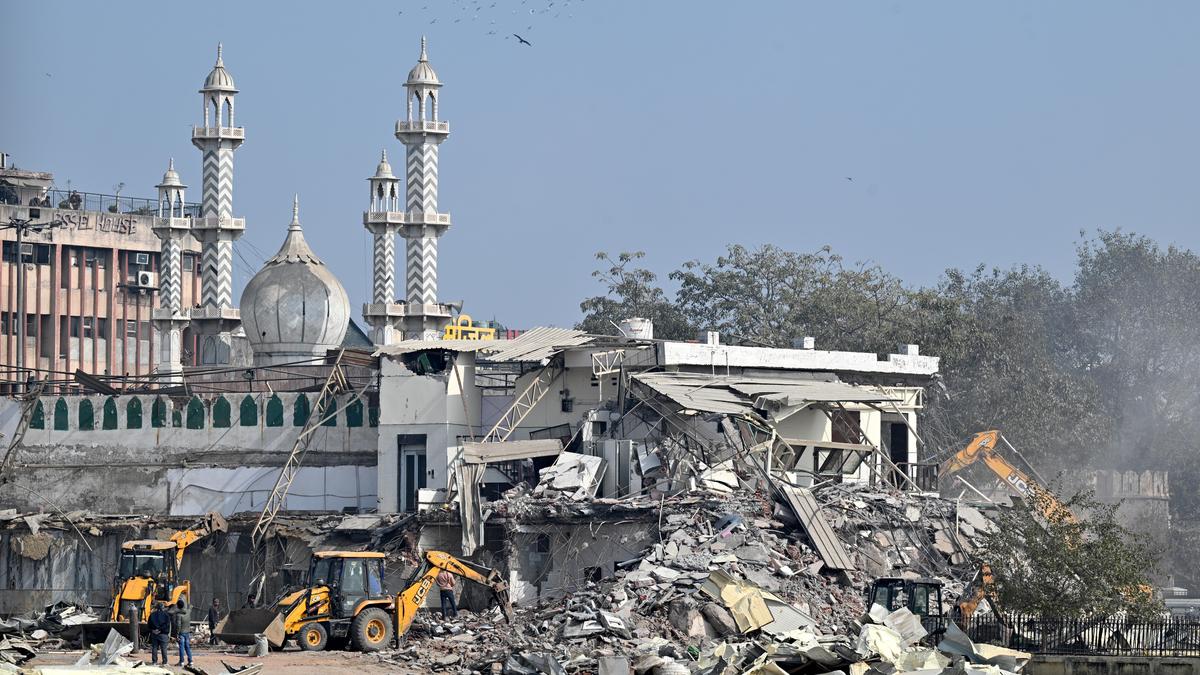
The reports also alleged that more than 10 mosques were demolished during the operations.
In a separate operation near Merapani, along the Assam-Nagaland border, authorities reportedly demolished the homes of 59 families in the Doyang Reserved Forest area.
MAPIM said the figures were based on media reports and required comprehensive independent verification.
The organisation acknowledged that governments had a responsibility to enforce land and forest laws, but stressed that such enforcement must comply with due process, human dignity and applicable human rights obligations.
It said environmental protection should not be used to justify arbitrary, discriminatory or disproportionate treatment of vulnerable communities.
Allegations of religious discrimination, it added, must be investigated impartially, with the rights of affected residents assessed based on evidence rather than ethnic or religious identity.
MAPIM said the reported displacement and destruction of homes and mosques raised serious questions about access to justice, adequate notice, legal remedies, protection of places of worship and emergency assistance for families left homeless.
It urged the OIC Secretary-General to convene urgent consultations with member states and bring the latest developments before the relevant OIC bodies to coordinate a response.
MAPIM also called on the OIC Independent Permanent Human Rights Commission (IPHRC) to assess the reports, obtain credible information from the relevant authorities and independent human rights organisations, and recommend appropriate measures to protect the affected communities.
The organisation further urged the OIC to press for immediate humanitarian assistance, including temporary shelter, food, clean water, medical care and essential services, particularly for children, older persons, persons with disabilities and other vulnerable individuals.
It also called for an independent investigation into the reported mosque demolitions, including disclosure of the legal basis for each demolition and whether due process had been followed.
Where violations were established, MAPIM said appropriate remedies and accountability measures should follow.
The OIC was also urged to engage the Indian authorities and relevant United Nations human rights mechanisms to facilitate independent monitoring of the situation, including the number of people displaced, the circumstances surrounding the demolitions and the availability of legal remedies.
MAPIM said the OIC should build on its existing commitments concerning Muslim minorities in India by implementing a monitored programme of diplomatic engagement, reporting and follow-up.
Mohd Azmi said the central issue was not whether governments could enforce land regulations, but whether enforcement was lawful, proportionate, non-discriminatory and consistent with human dignity.
He said authorities should carefully examine the claims of families who had lived in affected areas for decades, including their settlement history, previous government arrangements and the legal status of the land.
Such matters, he said, could not be resolved responsibly through demolitions alone, but required a fair assessment of the relevant facts and applicable laws.
MAPIM also expressed concern over the protection of religious and cultural life, noting that mosques served as places of worship and focal points of community life.
It called on the Indian authorities to protect Muslim communities from discrimination, ensure affected families could pursue their legal rights without intimidation, and hold officials accountable for unlawful conduct through appropriate procedures.
MAPIM urged OIC member states, Muslim humanitarian organisations, international human rights bodies and civil society partners to work together to ensure affected families received assistance and the rights of all communities were protected without discrimination.
It stressed that the appeal was aimed at upholding human dignity, the rule of law and peaceful coexistence, rather than encouraging hostility towards any religious or ethnic community.
“MAPIM’s message to the OIC is clear: act urgently, establish the facts, protect the displaced, defend the sanctity of places of worship and ensure that the rights of Muslim minorities are not left without meaningful international attention,” the statement said. – DETIK MALAYSIA
Kredit foto – SHASHI SHEKHAR KASHYAP
About the Author