By MOHD AZMI ABDUL HAMID
KUALA LUMPUR – Israel’s general election is not necessarily expected to bring significant changes to the plight of the Palestinian people, particularly regarding occupation, settlement expansion and their right to self-determination.
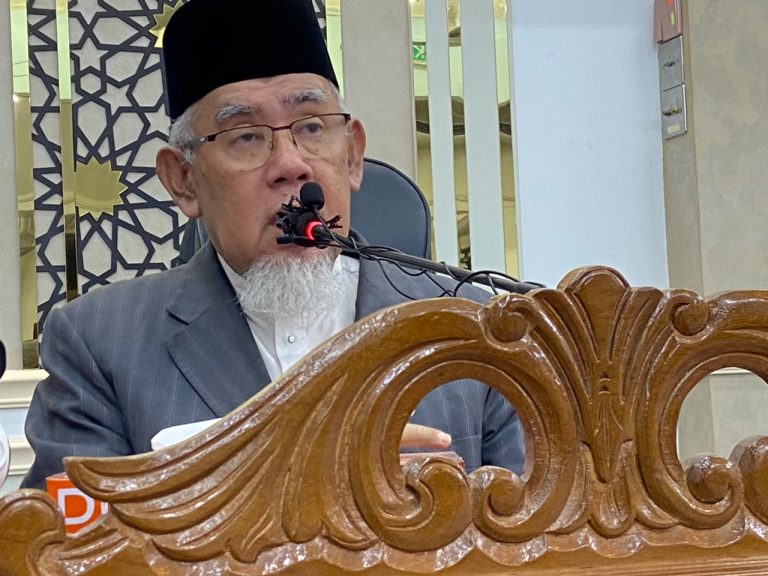
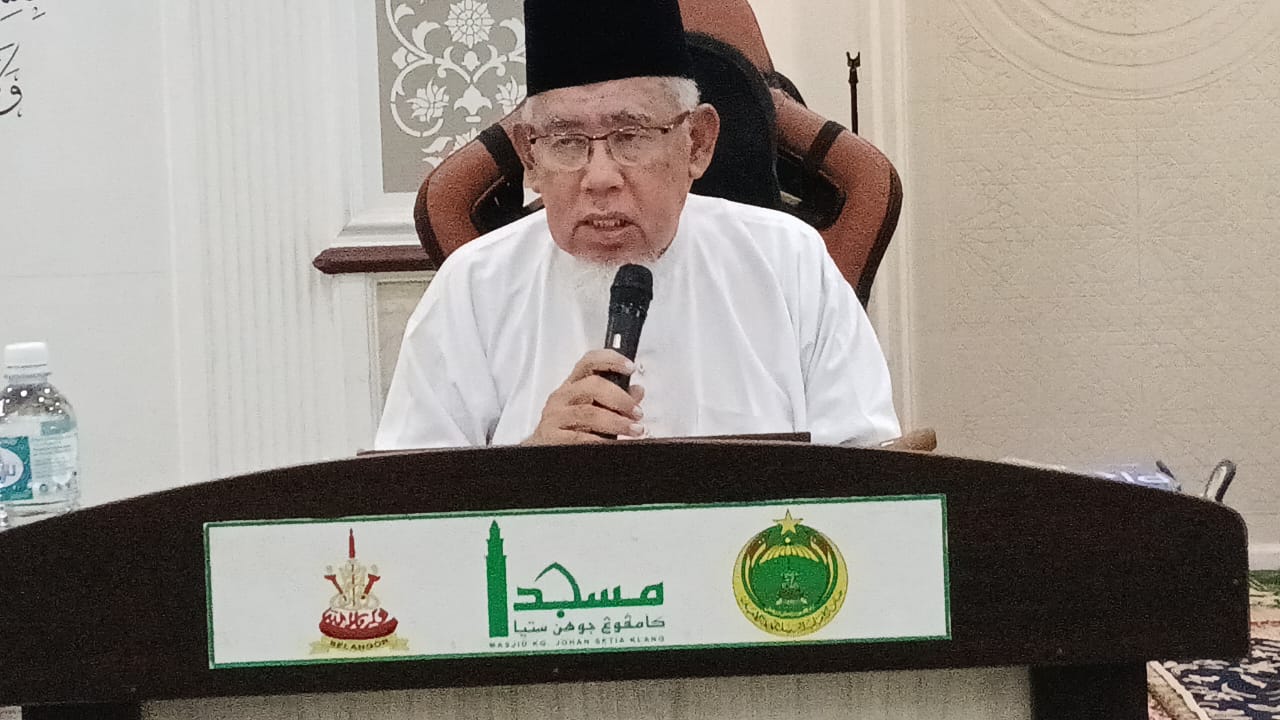
Malaysian Consultative Council of Islamic Organizations (MAPIM) president Mohd Azmi Abdul Hamid said a change in Israel’s leadership would not automatically guarantee a shift in policies towards Palestine.
He said the central issue was not merely which party won seats in the Knesset, but whether Israel’s political system would allow a fundamental departure from policies that had denied Palestinians their rights.
“For the Palestinian people, the stakes go far beyond which party wins seats. Their future concerns freedom, the protection of their land, the status of Al-Quds, the reconstruction of Gaza and their right to self-determination,” he said in a statement today.
He said the political contest between Israeli Prime Minister Benjamin Netanyahu and his challenger, Gadi Eisenkot, indicated that a change in leadership would not necessarily result in a fundamental shift in Israel’s approach towards Palestine.
According to him, both figures have been reported to oppose the establishment of an independent Palestinian state and maintain firm positions on Gaza, although they differ on West Bank settlement policies and potential political alliances.
He said Israel’s proportional electoral system also meant that forming a government depended on alliances between parties to secure a parliamentary majority.
This arrangement allows smaller parties, including far-right and religious parties, to exert considerable influence over government policy, particularly when their support is needed to form a governing coalition.
“Differences in leadership do not necessarily translate into a change in political direction. The competition may focus more on managing the conflict than resolving it,” he said.
On the West Bank, he said settlement expansion, settler violence, restrictions on Palestinian communities and proposals for annexation remained major concerns.
He added that any reconstruction of Gaza must include civilian protection, humanitarian access, housing, healthcare, education and a governance framework that gives Palestinians a meaningful role in determining their future.
He also stressed that the status of occupied East Jerusalem, including Al-Aqsa Mosque, could not be separated from the wider Palestinian question.
Without a credible political pathway towards self-determination, he said, the fundamental dispute over Palestinian rights and sovereignty would remain unresolved.
Azmi said the international community should therefore assess Israel’s next government based on concrete actions rather than a change in leadership or political promises.
Among the key demands should be an end to occupation and settlement expansion in accordance with international law, an enforceable pathway towards an independent Palestinian state and stronger protection for civilians.
Unhindered humanitarian access to Gaza must also be ensured, alongside sustained reconstruction efforts and the restoration of essential services.
He further called for an end to forced displacement, effective protection for Palestinian communities in the occupied West Bank and East Jerusalem, and respect for the status and protection of Al-Aqsa Mosque under applicable international law.
Violations of international law, he said, must be addressed through competent and independent legal mechanisms, supported by monitoring to ensure that commitments are implemented.
“Elections can change leaders, redistribute parliamentary power and influence diplomatic calculations, but they cannot, on their own, guarantee freedom, justice or national sovereignty.
“The rights of the Palestinian people must be upheld through international law, effective diplomacy, humanitarian solidarity and sustained international pressure,” he said.
He said Malaysia, the Organisation of Islamic Cooperation (OIC), other countries and civil society movements should continue pressing for measurable commitments, independent monitoring and accountability for violations of international law.
He added that while Israel’s election might reshape the country’s political landscape, meaningful change could only be measured by whether the incoming government was prepared to end policies that entrench occupation, protect Palestinian civilians and establish a genuine pathway towards Palestinian self-determination.
“Hope for Palestine must be grounded in enforceable rights and tangible political change, rather than the assumption that a new Israeli government will automatically usher in a new era,” he said. – DETIK MALAYSIA
About the Author