Mahmoud Abbas
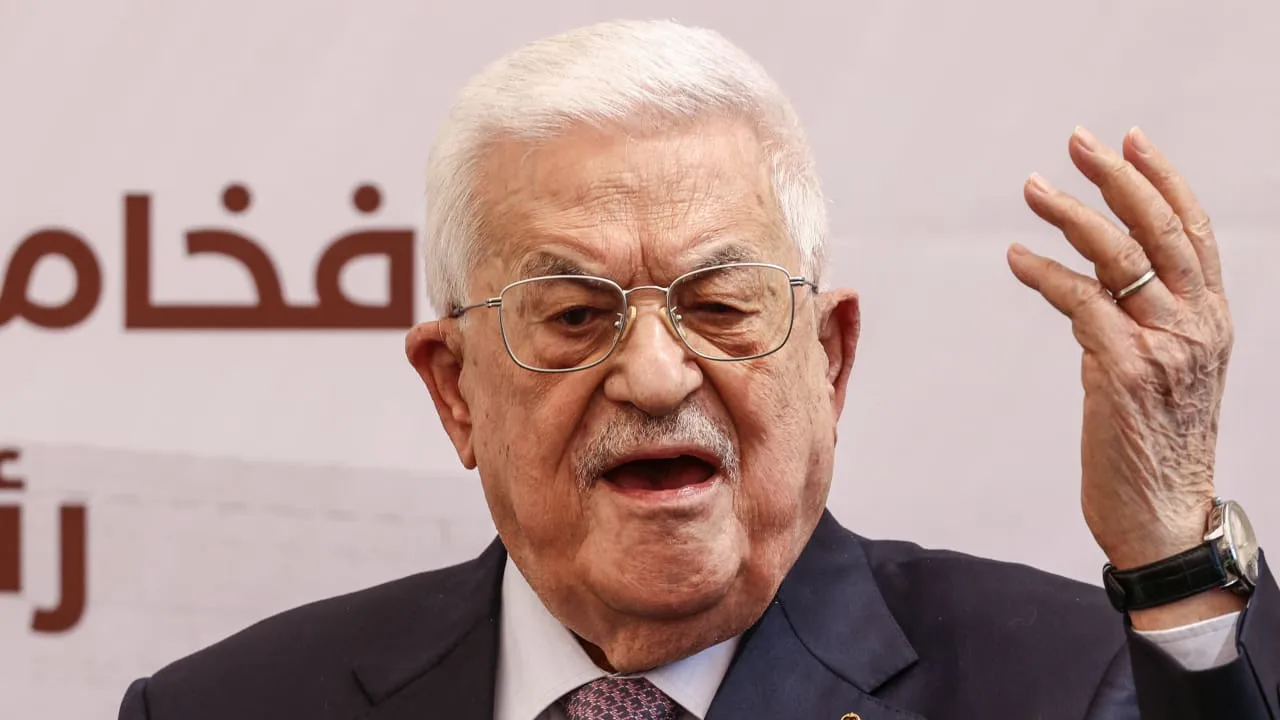
KUALA LUMPUR – The Malaysian Consultative Council of Islamic Organisations (MAPIM) has strongly condemned the United States’ decision to deny Palestinian President Mahmoud Abbas a visa to attend the United Nations General Assembly in New York.
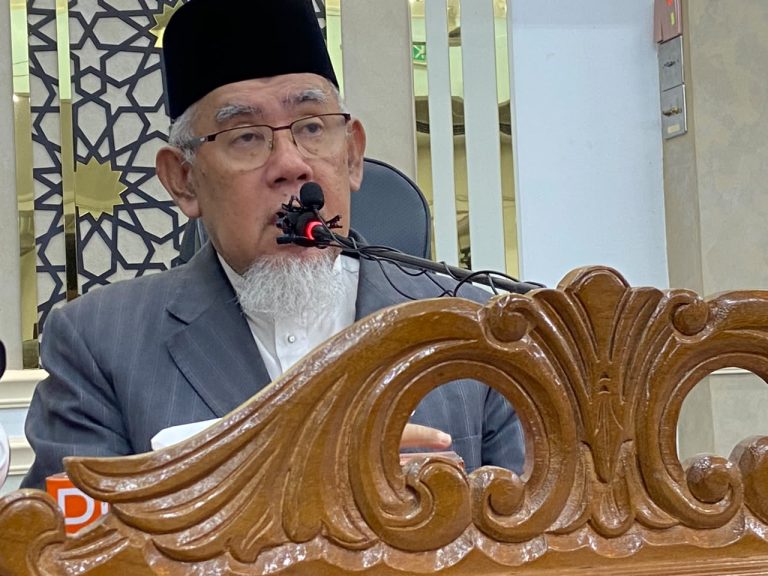
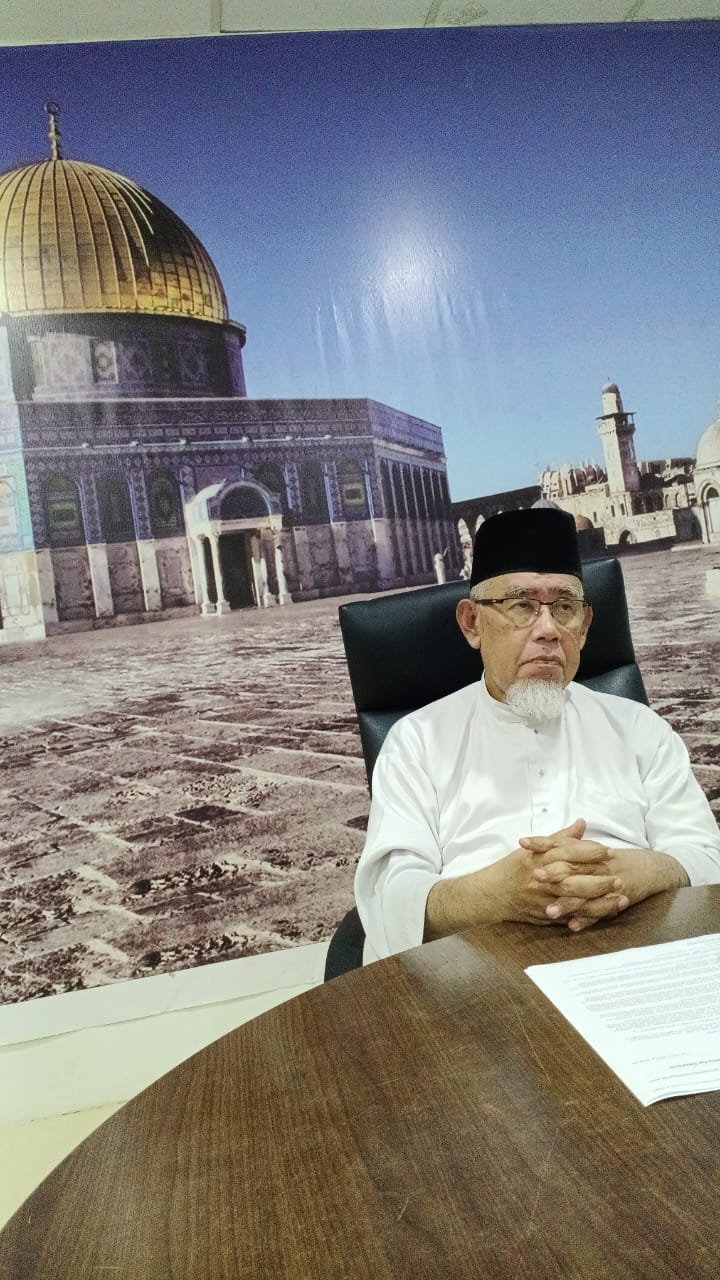
MAPIM President Mohd Azmi Abdul Hamid said the decision was a matter of grave concern, particularly as this is reportedly the second consecutive year Abbas has been prevented from travelling to the US for the annual UN gathering.
Last year, Abbas addressed the General Assembly remotely after member states approved his participation by video.
At the same time, the US Department of State has extended visa restrictions against Palestinian Authority officials and members of the Palestine Liberation Organization (PLO), citing allegations that the PA and PLO had failed to fulfil commitments demanded by Washington.
According to Mohd Azmi, the development raises broader questions about access to international forums and the credibility of the multilateral system.
“The United Nations General Assembly is not a forum belonging to the United States, nor should access to its proceedings be determined by the political preferences of any single power.”
He said the General Assembly is the principal deliberative, policymaking and representative organ of the United Nations, comprising all 193 UN member states.
“While the United States may exercise its domestic authority over entry into its territory, when that authority directly affects the participation of a Palestinian leader in an official United Nations gathering, the matter carries wider implications for the credibility of the multilateral system,” he said.
Visa restrictions should not silence Palestine
MAPIM also took note of the reasons cited by the US State Department, including allegations concerning Palestinian actions before the International Criminal Court (ICC) and International Court of Justice (ICJ), efforts to obtain recognition of a Palestinian state outside negotiations, payments to Palestinian prisoners and their families, and alleged glorification of acts of terrorism.
However, Mohd Azmi said disagreements between Washington and the Palestinian Authority or PLO should be addressed through diplomatic channels, legal mechanisms and open international debate.
“Political disagreements must not become a justification for silencing representation at the United Nations.”
He said Palestine, which holds the status of a non-member observer State at the United Nations, has participated extensively in the work of the General Assembly.
“The Palestinian question is not merely a bilateral dispute between Palestine and the United States. It has been a longstanding international agenda before the United Nations and remains directly connected to questions of international law, humanitarian protection, self-determination, occupation and peace,” he said.
He added that Palestine must be given the opportunity to be heard, particularly amid the continuing humanitarian devastation in Gaza and ongoing international scrutiny concerning compliance with international law.
“Palestine cannot be expected to remain a spectator while the international community debates the future of the Palestinian people.”
Calls for UN to defend multilateralism
MAPIM called on the UN Secretary-General, President of the General Assembly and UN member states to take the matter seriously.
It urged the United Nations to ensure Abbas and the Palestinian delegation are able to participate meaningfully in the General Assembly, including through appropriate arrangements should his physical attendance remain obstructed.
MAPIM also urged UN member states not to allow the visa authority of a host country to determine whose voice can or cannot be heard in UN multilateral forums.
In addition, the Organisation of Islamic Cooperation (OIC) and governments supporting Palestinian rights were urged to issue a clear and coordinated diplomatic response.
MAPIM further called on the UN to strengthen mechanisms protecting recognised delegations and representatives in official UN proceedings from unilateral political pressure.
It also stressed that any disputes concerning the actions of the Palestinian Authority or PLO should be addressed through legitimate legal and diplomatic mechanisms rather than measures restricting access to international forums.
Issue goes beyond Abbas
Mohd Azmi said the matter went beyond Abbas personally and concerned the wider integrity of the international multilateral system.
“The larger question is whether the international multilateral system genuinely operates according to principles of equality, representation and respect for international institutions, or whether access to international forums can ultimately be determined by the political interests of the state hosting those forums.”
He said allowing such a precedent to go unchallenged could raise serious questions about the future integrity of multilateral diplomacy.
“The United Nations must remain a common house for the international community, not a forum whose doors can be opened or closed according to the political will of one power.”
MAPIM reaffirmed its solidarity with the Palestinian people’s right to be represented, speak and be heard within the international system.
“Palestine must be heard. Palestine must be represented. The voice of Palestine must not be silenced by a visa denial.” – DETIK MALAYSIA
Kredit foto – ZAIN JAAFAR / AFP via Getty Images
About the Author