Gambar hiasan.
KUALA LUMPUR – Authorities have been urged to provide a written explanation on the regulatory treatment and documentation of two petroleum cargoes worth more than RM220 million handled under the Customs K8 procedure at Tanjung Langsat, Johor.
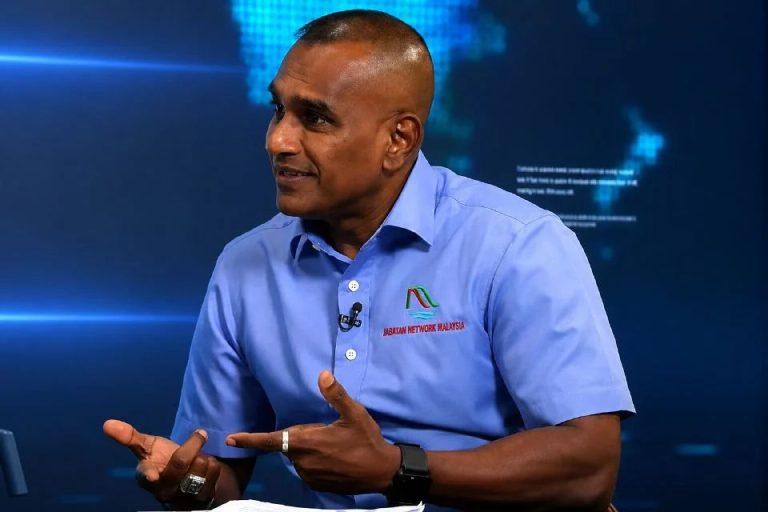
Maritime industry expert Datuk Seri R. Jeyenderan said an official explanation was important to clarify the responsibilities of all parties involved, as well as address questions surrounding the handling, documentation and movement of the cargoes.
He, who is also Chief Executive Officer of Maritime Network Sdn Bhd, said his company acted only as the shipping agent for both cargo movements and was not the cargo owner, terminal operator, laboratory, declarant or regulatory authority.
According to the company’s report dated August 26, the two cargoes involved 76,954.325 metric tonnes of Atlanta Crude valued at RM220,253,176.38.
He said the cargoes were discharged at Tanjung Langsat and linked to tanks T-5001, T-5004 and T-5008 at DIALOG Terminals Langsat (DTL).

“However, this does not establish that any particular cargo was mixed or blended.
“Instead, it explains why records relating to the tanks, custody, testing and movement of the cargo are required to clarify what happened to the cargo,” he said in a statement on Wednesday.
Jeyenderan said clarification was also needed on the regulations and approvals applicable to K8 cargo, including the impact of any blending activity on the cargo classification and how its movement was recorded from arrival until departure.
“K8 refers to a Customs declaration for goods brought into Malaysia temporarily for the purpose of re-export under Regulation 17 of the Customs Regulations 2019,” he said.
He also sought clarification on whether Petronas had ever been consulted regarding the cargoes, including who sought the opinion, the documents reviewed and whether any written advice was provided.
Meanwhile, Jeyenderan said his company had also requested operational records, including tank history, cargo custody records, product movements, test results and reconciliation between incoming and outgoing cargo.
“The longer this uncertainty continues, the more difficult it becomes for the company to explain its role based on a clear and authoritative regulatory position,” he said.
He stressed that the request for clarification was not an allegation against Petronas, DTL or any other party, but was aimed at obtaining clarity on the applicable regulatory requirements and the responsibilities of each party involved.
Jeyenderan also referred to the Malaysian Anti-Corruption Commission (MACC)’s review, which was reported to have found no basis for an offence under the MACC Act 2009 and no revenue leakage identified so far.
However, he said the matter was separate from questions concerning compliance with Customs requirements.
“What we want is clarity on the applicable requirements and the responsibilities of each party involved,” he said. – DETIK MALAYSIA
About the Author